1. The evolution from Bijnis to Zorit
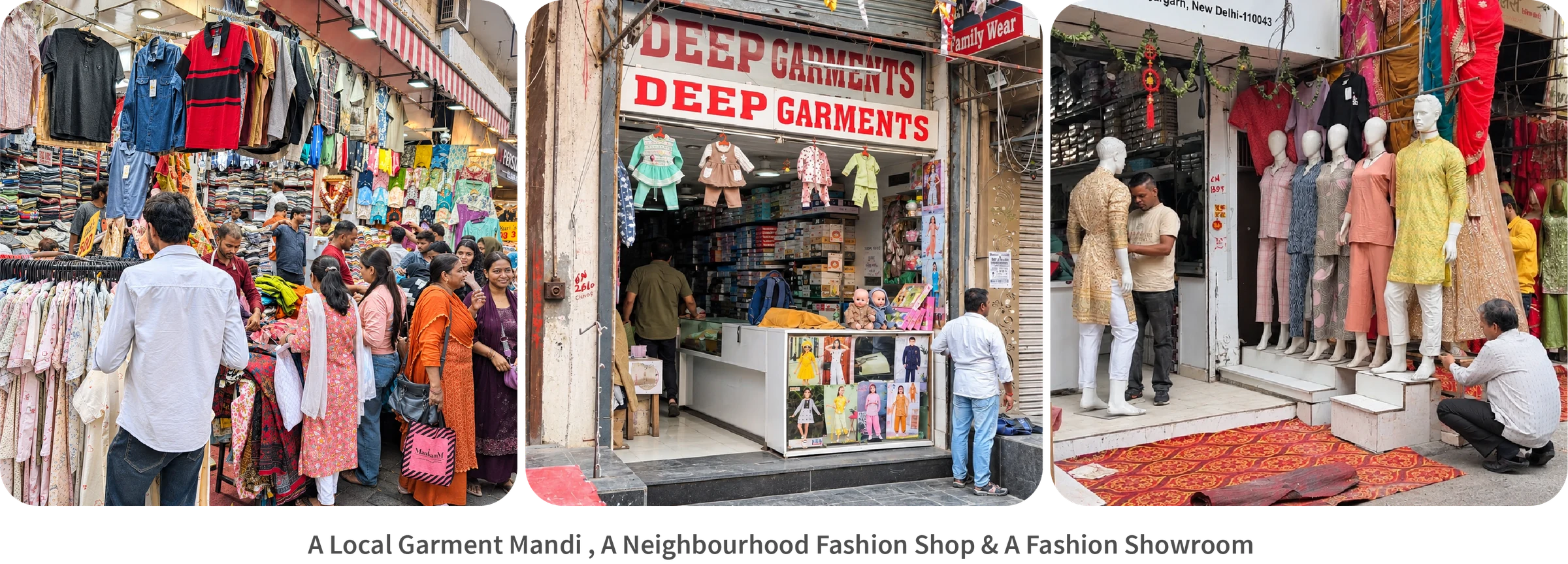
Imagine a small shopkeeper selling footwear or garments on a footpath, a neighbourhood clothing store, or a large, modern glass-fronted showroom in a busy market. These are the independent retailers Zorit serves. And since day zero, when we started Bijnis, we have believed that a major part of India’s future commerce will continue to be driven by these retailers.
India has approximately 50 lakh (5 million) non-grocery retailers across footwear, fashion, lifestyle and other categories, alongside another 1 to 1.2 crore grocery and kirana stores. Together, they contribute approximately 65 to 70% of India’s offline commerce.
Over the years, we have seen multiple commerce formats evolve, from e-commerce and quick commerce to organised value retail like V-Mart and DMart. These formats have grown rapidly and changed consumer expectations. However, a large part of India still enjoys going out, shopping in local markets and buying from retailers they know and trust.
And we continue to believe that a large part of India’s future commerce will happen through these independent retailers, not without them.
Our belief in independent retailers never changed. Over the years, what changed was our understanding of what it would actually take to serve them better.
Over the last ten years with Bijnis, we have experimented with multiple business models to bring these retailers onto a technology-led supply chain. We initially approached this problem largely from the supply side, but gradually realised that the traditional wholesale supply chain is made up of multiple layers, each solving a different problem. Simply connecting factories to retailers was never going to be enough. We needed to understand and solve what each of these middlemen does, put the retailer at the centre, and bring these capabilities together into one technology-led supply chain that could be 10x better than the offline supply chain.
Zorit is an evolution of that understanding, built on the same belief we started with more than a decade ago.
2. Zorit Is Building a Technology-Led Factory-to-Retailer Supply Chain
Over the years, consumer expectations have evolved around better selection, convenience and speed, driven by e-commerce, quick commerce and organised retail. At Zorit, we’ve combined our learnings from these models, particularly quick commerce, with our understanding of traditional wholesale to reimagine how the factory-to-retailer supply chain could work.
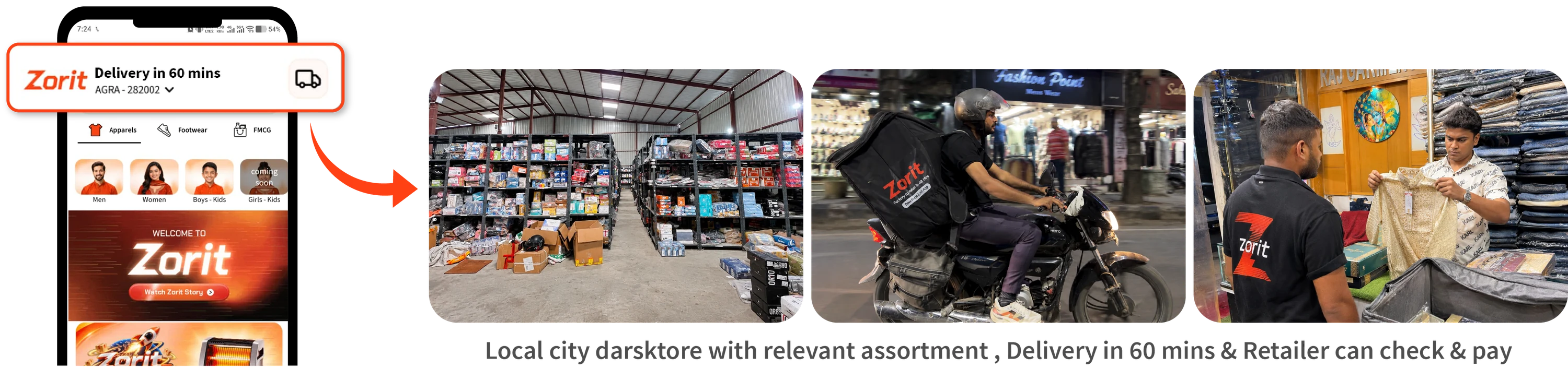
We are building a quick-commerce-inspired wholesale supply chain, and there are three important parts to the experience:
- 60-minute delivery and low minimum orders: Retailers can buy smaller quantities more frequently, improving working capital rather than committing to large orders. The focus is on increasing purchase frequency in a month, not average order value.
- Wider, locally relevant selection: Speed without curation is zero. The real value is making a wider range of locally relevant SKUs accessible to retailers within 60 minutes.
- Try and buy: Retailers are used to physically inspecting products before purchasing. With our riders delivering directly to their shops, we can offer this familiar offline buying experience through a try-and-buy service.
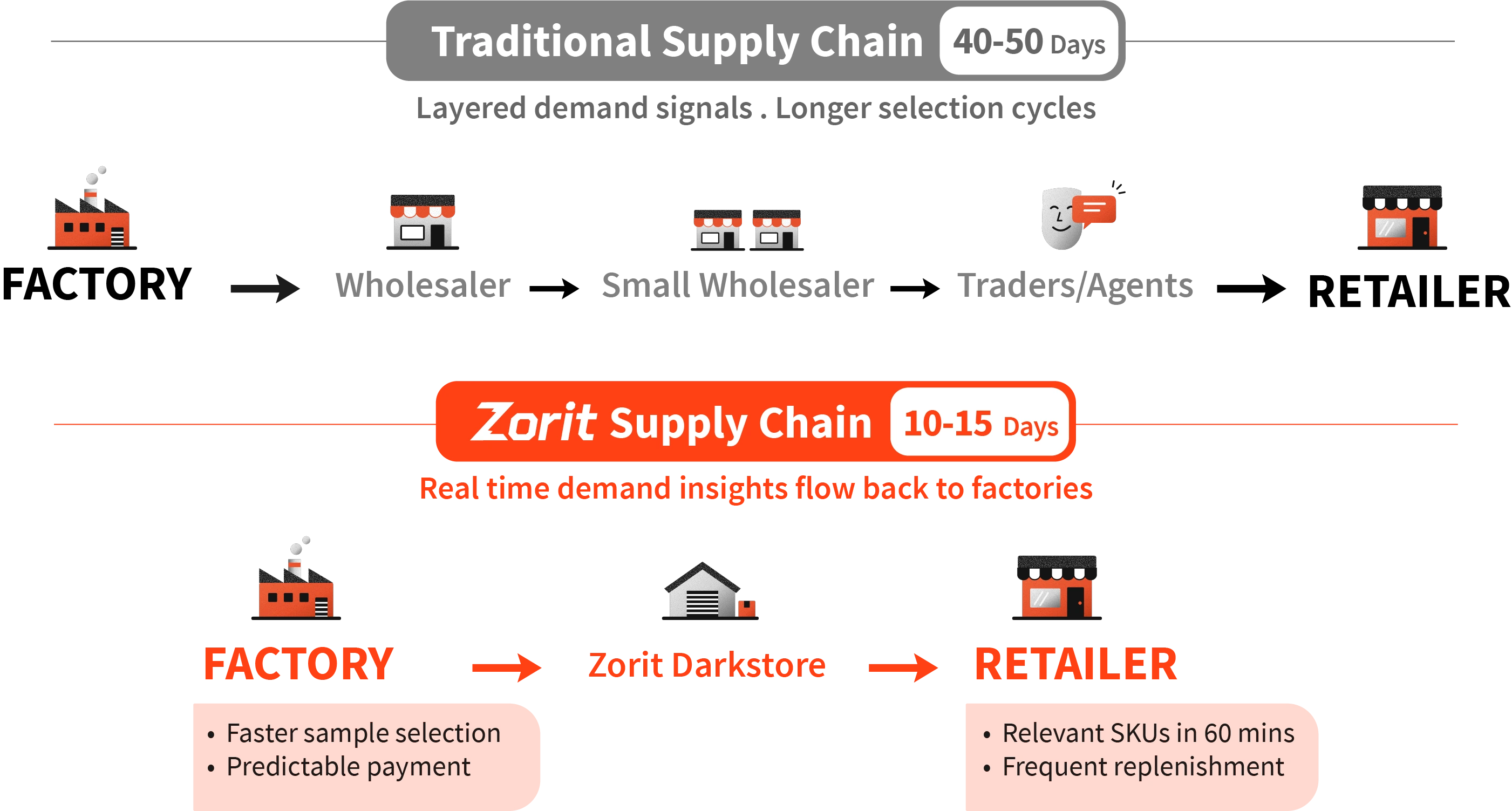
As retailers adopt this model, we believe the benefits can extend across the entire supply chain, all the way to the factories.
As more retailers adopt this B2B quick commerce supply chain, we get real-time insights into what they need and what is selling in their markets. We can take these insights back to factories, help them produce and supply relevant products faster, and make those products available to retailers as quickly as possible. The idea is to build a supply chain that responds to real-time demand, rather than relying primarily on predictions and planning.
Instead of factories producing largely on the basis of advance orders and estimates, we want to help them see what retailers are actually buying and respond with the right products much faster.
3. How Independent Retailers Can Reshape the Future of Shopping in India
There are two things worth exploring here. First, can we build a large and profitable business out of this model? And second, if independent retailers increasingly adopt the ‘Quick commerce supply chain model’, what could it mean for the future of retail and commerce in India?
1. Can Models Like Zorit Become Large, Profitable Businesses?
Much like B2C quick commerce, we have realised that B2B quick commerce is fundamentally a density game. Our average order value is ₹3,000–₹4,000, with retailers ordering 7–8 times a month and our top cohorts already exceeding 15–18 times.
With improving retailer stickiness, our current cost structure and margins, we’ve already seen a few dark stores move beyond break-even. This gives us confidence that we can build a large, profitable business while continuing to create value for both retailers and factories.
Most importantly, we have been able to build a fundamentally negative working-capital model, which we believe is critical to scaling this business sustainably and profitably.
2. If Retailers Increasingly Adopt This Model, What Could It Mean for the Future of Commerce?
We don’t have a definitive answer yet. But imagine a million independent retailers connected to Zorit, sourcing 30 to 40% of their inventory through a faster, more efficient supply chain.
We don’t see a million shops. We see a million passionate entrepreneurs, each serving 50 to 100 consumers, understanding their preferences, their neighbourhoods and what sells in their markets.
A large part of Bharat continues to shop offline. These consumers are equally aspirational about convenience, speed, home delivery and better selection. They also enjoy going out, visiting markets and shopping in person. But they are extremely value-conscious. We believe independent retailers, with their existing infrastructure, deep customer relationships and understanding of local demand, are uniquely positioned to serve both needs.
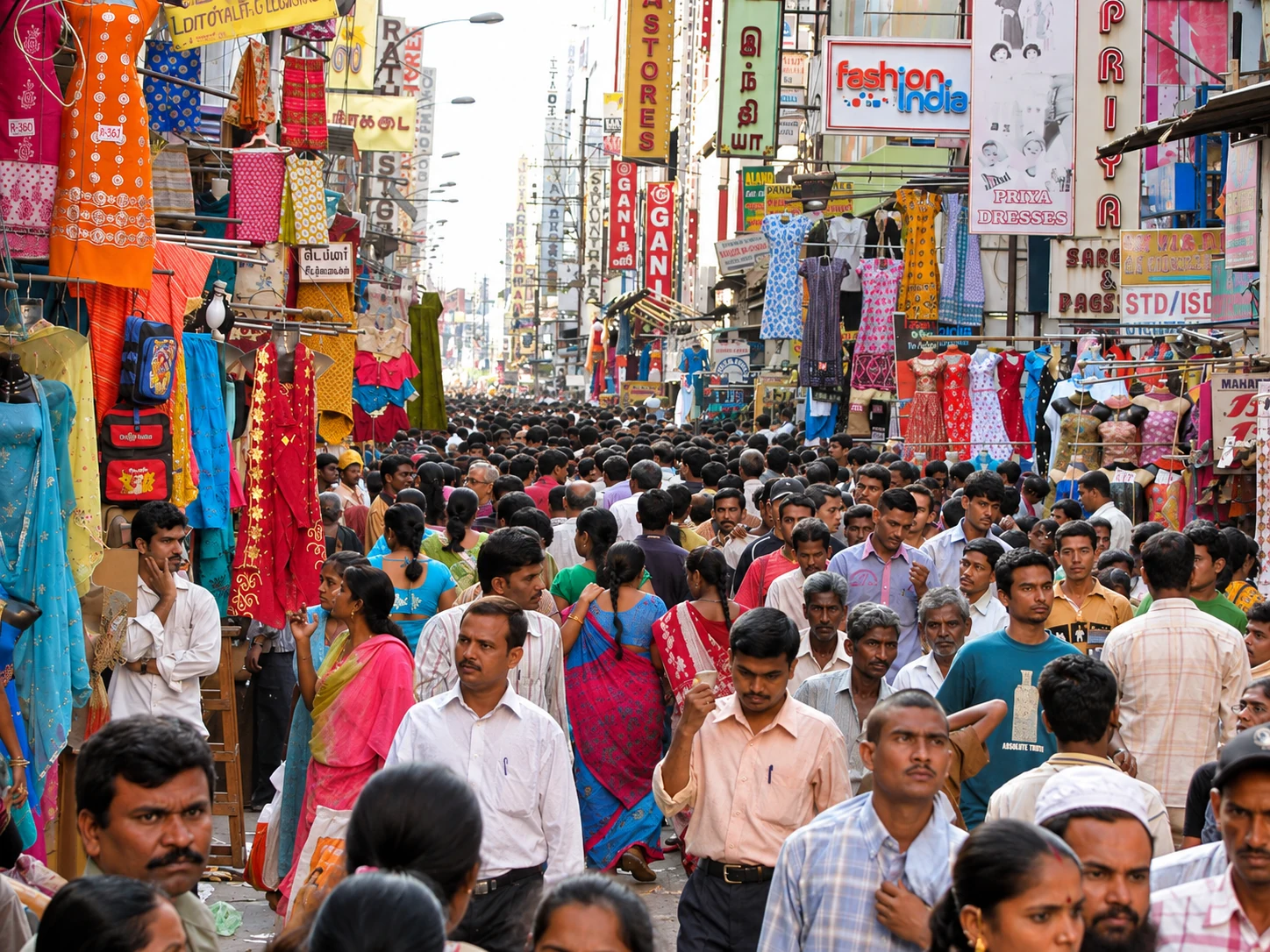
We are still learning what this could look like. But connecting these retailers with technology and a dependable supply chain could open up opportunities to improve the end consumer experience in ways we haven’t fully explored yet.
Our ambition is to improve the consumer experience by making retailers more capable and not by bypassing them.
Retailers will remain the face of this commerce. Zorit will be the force behind them.
← All stories