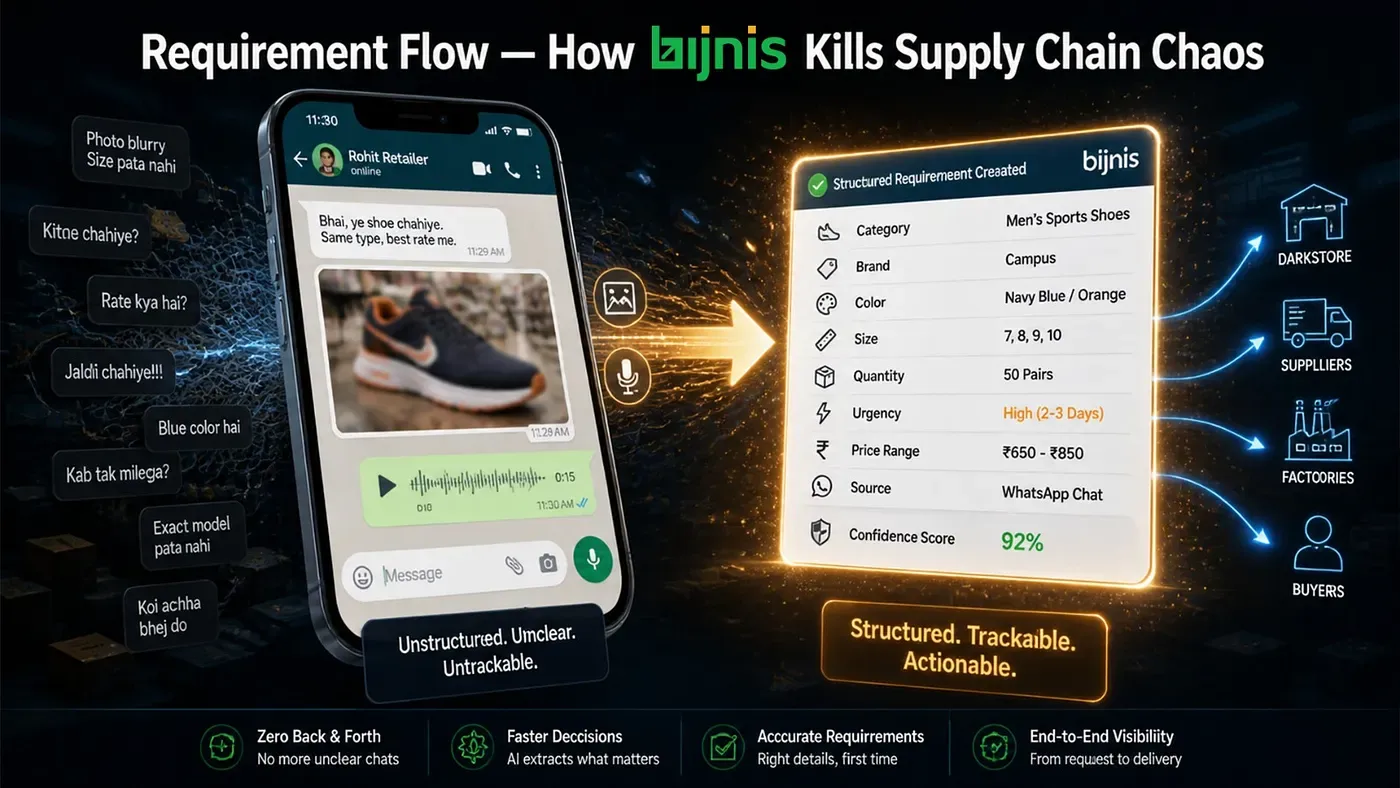
Startup culture is not built in offsites, town halls, posters or well-designed value decks. Those things may help, but they are not culture.
Real culture is built in the small moments when nobody is watching. It is built in how leaders speak during pressure. It is built in how managers treat people who are still learning. It is built in whether the ground team gets the same respect as the boardroom team. It is built in whether people feel safe to grow beyond the role they were hired for.
I have seen this closely while working and building at bijnis. Like every startup journey, ours has had high-energy days, difficult days, confusing days, and days where the only thing holding everyone together was belief. Over time, one thing became very clear to me: culture is not what you say when everything is going well. Culture is what your people experience when things are uncertain.
Culture Is Not an HR Activity
For a short period, I also spent time leading the HR team at bijnis. That phase gave me a very different lens.
Before that, I had seen culture as a team member, as an operator and as someone building business teams. But when you sit close to the people function, you realise something important: HR can create systems, but culture is created by daily leadership behaviour.
Culture is not a calendar of activities. It is not only birthdays, festivals, engagement surveys or town halls. These things matter, but they are not enough. Culture is whether a person feels respected on a bad day. Culture is whether a young team member gets a real chance to prove themselves. Culture is whether feedback is given with honesty or ego. Culture is whether people feel they are building something meaningful, not just completing tasks.
In bijnis, one small thing has always stayed with me. Apart from formal documents, we never call people “employees”, we call them team "members".
It may sound like a small thing, but small things are not small in culture. Language shapes how people feel. When you call someone a team member, you are saying they are not just working for the company. They are building it with you.
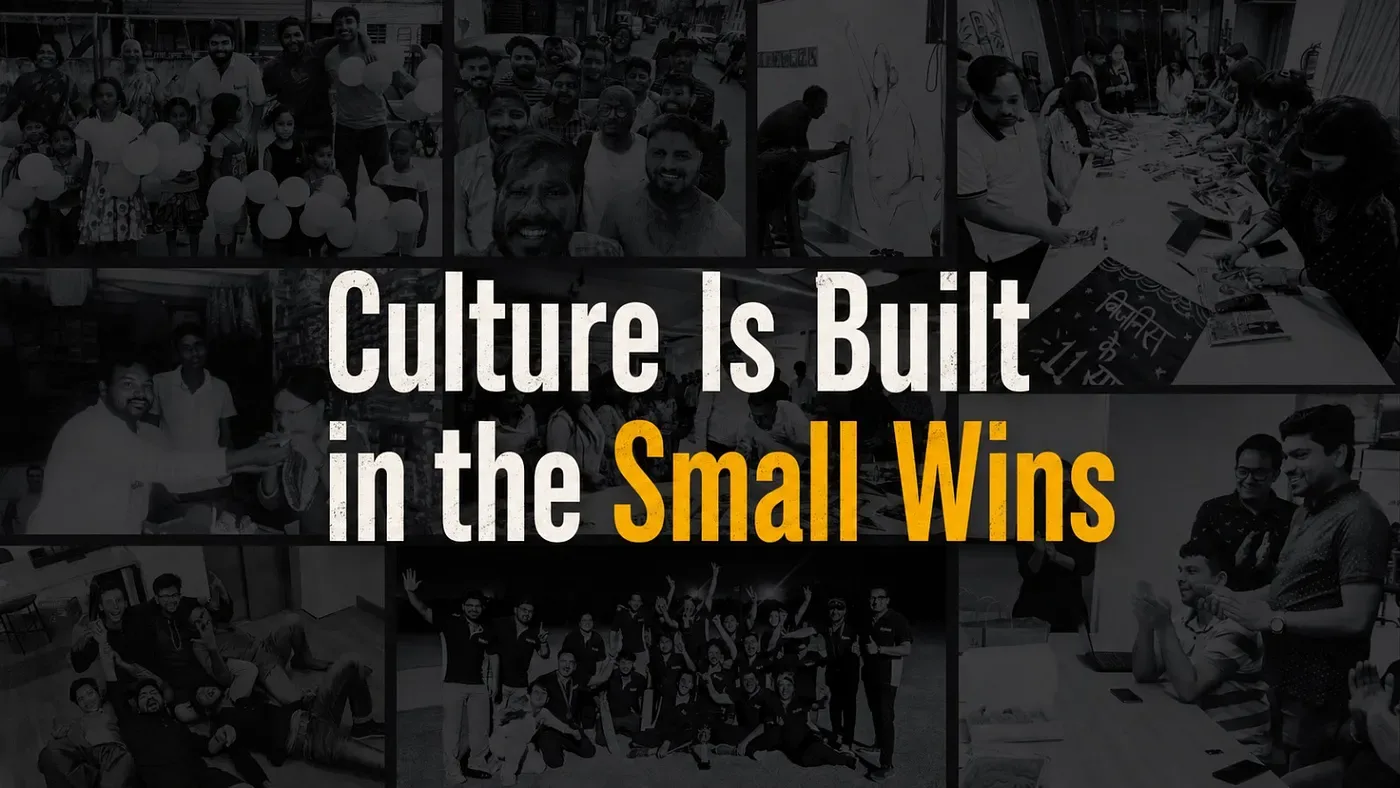
People Grow When You Let Them Grow
One of the strongest signs of a real startup culture is when people become bigger than the role they joined for. At bijnis, we have witnessed many such stories. We have seen interns turn into better business managers than MBA graduates from prominent colleges. I can say this personally because I was one of those interns who later got the opportunity to grow into a business leader.
We have seen a warehouse and logistics executive become a rock-solid graphic designer. We have seen a data entry team member transition into an excellent PHP developer. Not because someone planned their career path perfectly on paper, but because they had passion, hunger and the company gave them room to explore.
This is where many startups get culture wrong. They hire for a role and then trap people inside that role. But startups are not built by fixed job descriptions. Startups are built by people who are trusted before they are fully ready.
Of course, not everyone will make that jump. Not every experiment will work. But if you never create space for people to surprise you, you will never build a culture of ownership. A great startup culture does not only ask, “What can this person do today?”. It also asks, “What can this person become if we trust them enough?”
Purpose Cannot Be Just a Line in a Deck
We were never a monotonous or purely money-driven company. Money matters. Business has to make money. Startups cannot survive only on emotion. But money cannot become the center of gravity. A company needs a purpose larger than individual ambition, something that makes people feel their work matters beyond salary, designation and appraisal cycles.
At bijnis, that purpose has always been connected to solving real problems for Bharat’s retailers, factories and supply chain teams. When people feel they are only chasing numbers, they burn out faster. But when they feel they are solving a real problem, pressure starts carrying meaning.
Purpose does not remove hard work. It gives hard work a reason. And in a startup, that difference matters because the journey will always have pressure, uncertainty, and constant change. Purpose is what helps people keep going when the path is not fully clear.
Respect the People Closest to the Customer
Another big learning came while building and leading a sales team of 1000+ members. Field sales teams are often treated badly in many companies. They are pushed the hardest, heard the least, and respected only when numbers are good. This is one of the biggest culture mistakes a startup can make.
The field team is not just executing the plan. They are running the show from behind. They are closest to the retailer, closest to the market, and closest to the daily reality of the business. They know what customers are saying, what is breaking, what competitors are doing, and what dashboards will show much later.
At bijnis, we always tried to ensure that our field sales members got equal respect. To be honest, we always tried to do more for them than we did for HQ members. Because they were the ones standing in the market every day, facing rejection, solving doubts, building trust, and carrying the company’s promise directly to customers.
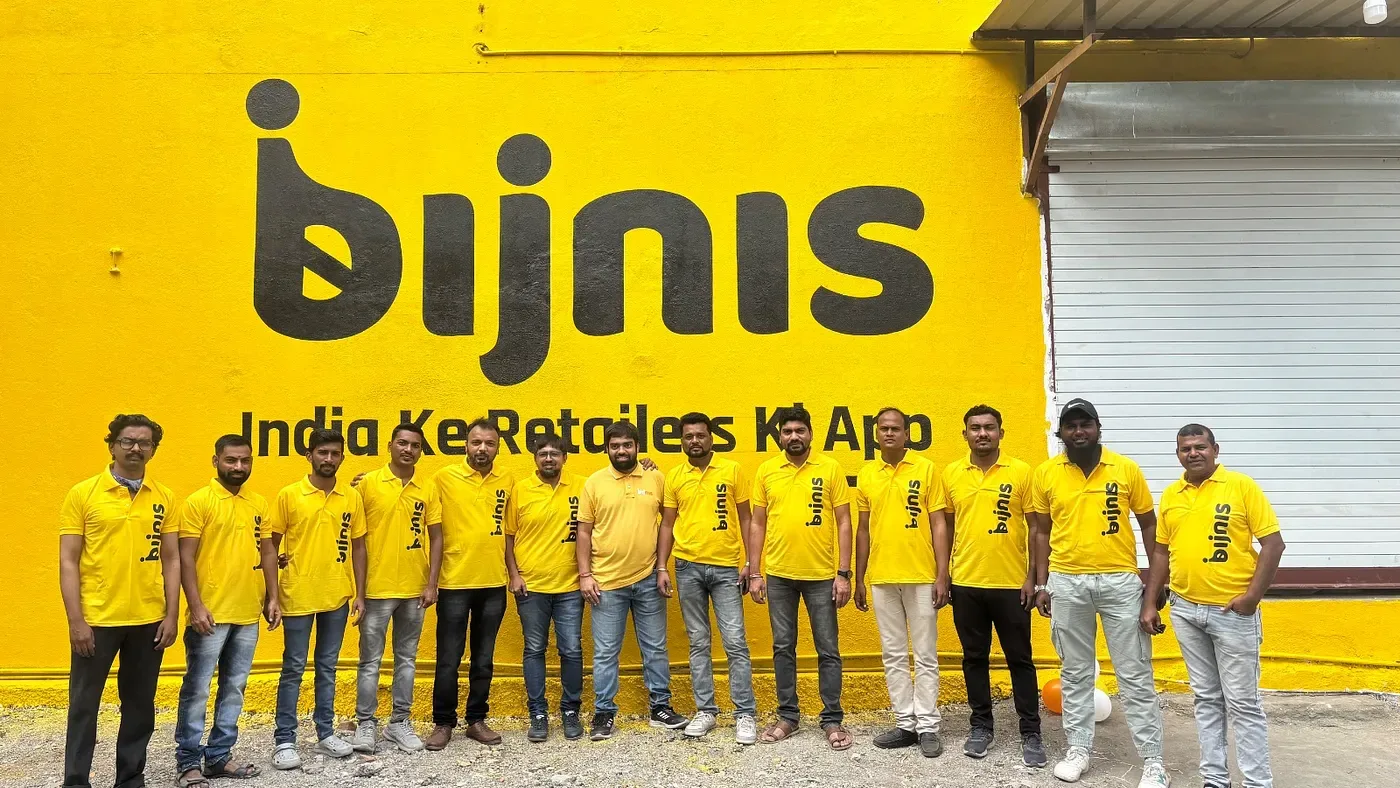
bijnis Aurangabad Sales Team launching new Darkstore
This is an important lesson for founders/leadership teams: do not build a culture where headquarters becomes the center of importance and field teams become the execution layer. The people closest to the customer should be closest to your respect.
Crisis Reveals the Real Cultures
Every company says people matter when things are good. The real test comes when the business is under pressure. COVID was one such test. Nobody had a playbook. Markets were shut. Demand was uncertain. Movement was restricted. Every company was trying to protect itself.
At bijnis, we did not lay off anyone during COVID. This was not an easy decision, and it was not taken because everything was comfortable. It was taken because culture cannot be selective. If we say people matter, they should matter most when things are difficult.
Teams remember these moments. They may forget one party, one campaign, one presentation, or one internal announcement. But they do not forget whether the company stood by them when uncertainty was at its peak. That is where trust gets built. Not through slogans, but through decisions.
Culture Compounds Quietly
Small moments compound. They become trust. Trust becomes retention. Retention becomes institutional memory. Institutional memory becomes execution strength. And execution strength becomes a real startup advantage.
If you are building a startup, do not reduce culture to HR activities. Build it into how decisions are made, how managers behave, how you communicate during uncertainty, and how you treat the people who are far from the office but closest to the customer.
Do not hire people only for what they can do today. Create space for what they can become tomorrow. Do not make purpose a line in a pitch deck. Make it visible in how the company makes decisions, solves problems, and treats people.
Because startup culture is not built in one big moment. It is built in hundreds of small moments, one honest conversation, one act of trust, one difficult decision, and one team member at a time.
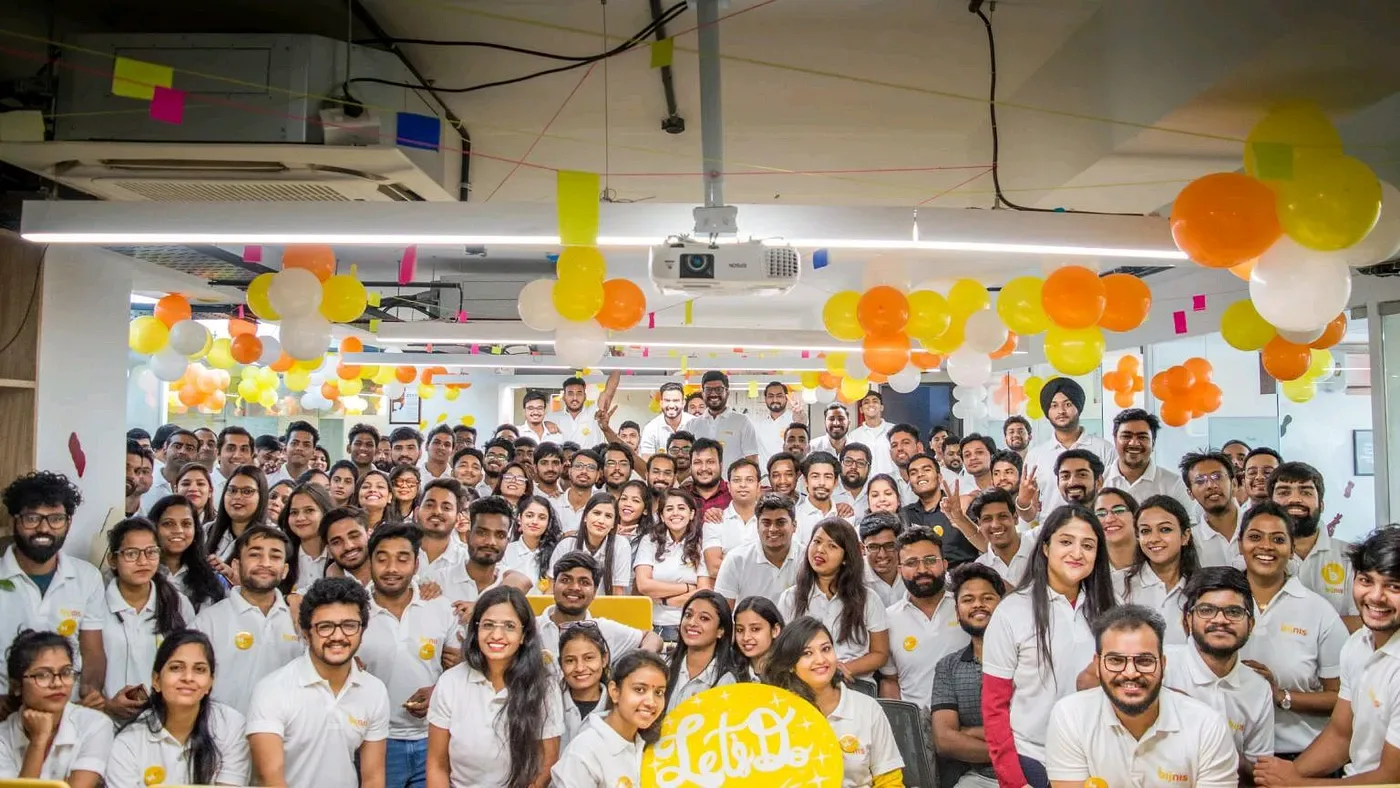
Thanks
Written by Suyash Jain